Final Portfolio
The final step of my Master’s of Professional Studies in Organizational Leadership was a portfolio that demonstrated I have achieved the program objectives and learning goals.
For each program objective, I list the definition and then provide a short explanation of the selected work in support of that goal. Click on the text to see the entire work as a PDF.

Visionary & Change-Oriented

Demonstrate the ability to envision opportunities and desirable futures; develop means of attaining them and initiate change processes at individual, organizational, and global levels.
Communicative
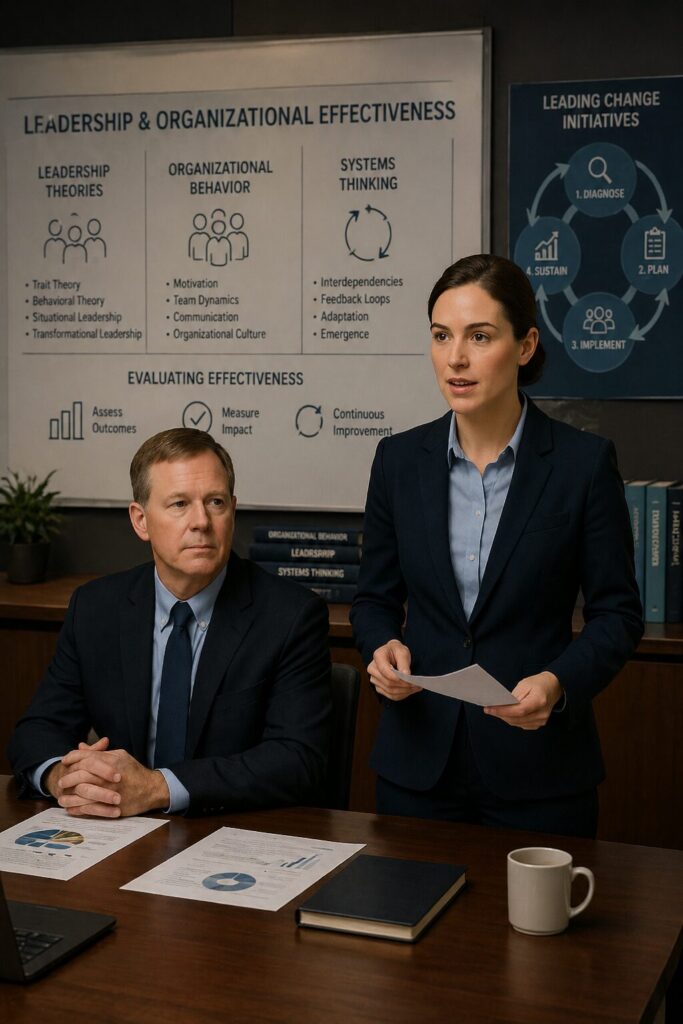
Understand and apply the theoretical concepts of leadership, organizational behavior, and systems, and evaluate their effectiveness in leading change initiatives.

Global Competence
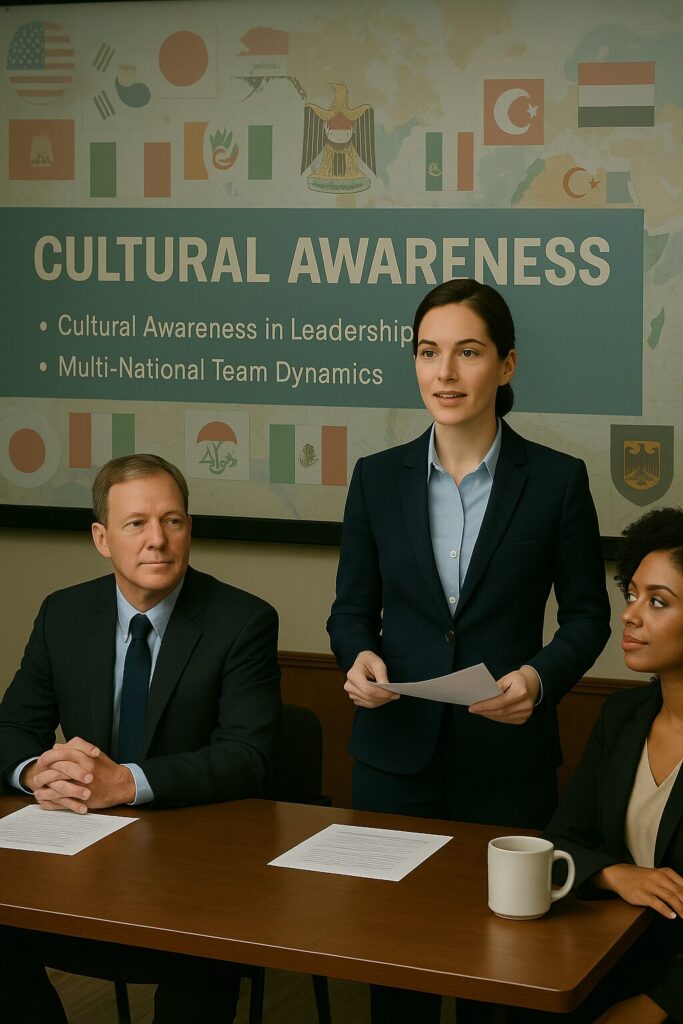
Develop in-depth knowledge and understanding of the organizational implications of issues affecting modern global organizations and demonstrate an appreciation of diverse perspectives and an ability to function effectively in global situations.
Critical Thinking
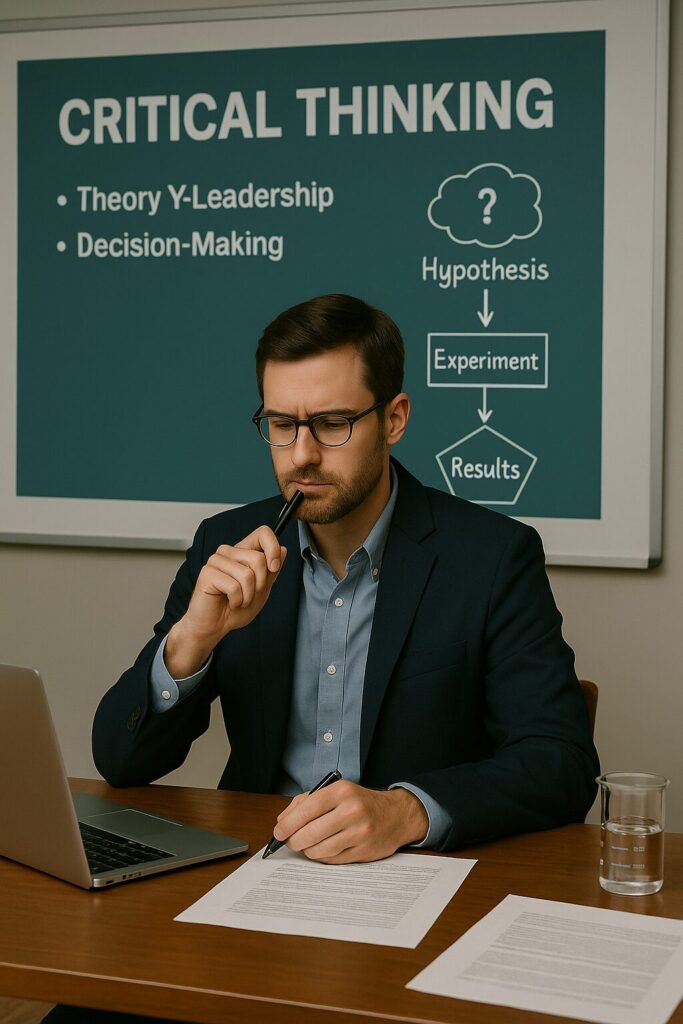
Apply appropriate research and analysis techniques to investigate complex situations, formulate informed decisions, and evaluate outcomes for individual and organizational improvement.
The first artifact is a critical examination of Theory Y leadership. Trusting people to make the right decisions is a critical component. Instinctively, this is how we all would like to be treated. The problem then becomes at what level we extend trust. I see echoes of Epitropaki et al. (2013) in this. At what level do we trust workers? Unfortunately, in my experience, micromanagement tends to creep in because leaders are accountable for subordinate actions. I would like to highlight the Topeka plant’s participative management model, upending the traditional leadership structure while remaining successful.
Collaborative

Develop the capacity to foster successful teams and to create effective formal and informal collaborative networks.
Knowledgeable
Understand and apply the theoretical concepts of leadership, organizational behavior, and systems and evaluate their effectiveness in leading change initiatives.
Theories such as Social Identity Leadership Theory, Implicit Leadership Theory, and Implicit Follower Theory resonated with me. Their explanations confirmed what I had seen in the Army. We expect Army leaders to look and act a certain way. When people think of a drill sergeant, they imagine R Lee Ermey’s character in Full Metal Jacket. Group members have a prototypical leader (Hogg, 2001). The patches and badges on our uniform are a proxy for ability. I have benefited from this, as I have several badges and a combat patch. However, relying on them is problematic. I witnessed people being overlooked for leadership positions because they did not look like a leader, though they were better qualified for it. I consider myself a transformational leader. I find my experience leading soldiers confirms Eppitropaki et al. (2013) findings that successful transformational leaders have positive implicit follower theories.